

Arizona homeowners know the monsoon season is unlike anything else in the country. From June 15 through September 30, the Phoenix metro and surrounding communities face a combination of threats that most home protection products simply are not built to handle: sudden 70 mph wind gusts, haboob dust storms that reduce visibility to near zero, driving rain that soaks into every opening, and lightning strikes that number in the hundreds of thousands each season.
Rolling shutters are one of the most effective ways to protect your home before, during, and after monsoon storms. They seal windows and doors against wind-driven debris, keep blowing dust out of your interior, and give you peace of mind whether you are home watching the storm roll in or away for the weekend. At Roll-A-Shield, we have been installing rolling shutters for Arizona homeowners since 1979, and monsoon prep is one of the most common reasons Phoenix-area residents reach out to us.
This guide covers exactly what Arizona monsoon season involves, what it can do to an unprotected home, and how rolling shutters provide a physical layer of defense that weather stripping, impact windows, and storm screens cannot fully match.
READ: How to Choose the Best Rolling Shutters for Security
Table of Contents
- What Is Arizona Monsoon Season?
- The Four Biggest Threats to Your Home During Monsoon
- How Rolling Shutters Protect Against Each Threat
- Motorized vs. Manual Shutters During Storm Events
- Which Windows and Doors to Prioritize
- Why Arizona Homeowners Prep Before June
- Roll-A-Shield: Built for Arizona Weather
- Common Questions About Rolling Shutters and Monsoon Season
- Conclusion
What Is Arizona Monsoon Season?
Arizona monsoon season officially runs from June 15 to September 30 each year, as defined by the National Weather Service. Unlike the steady seasonal rains found in other parts of the country, Arizona’s monsoons are fast-moving, intense, and highly localized. A storm that drops half an inch of rain and 50 mph winds in Scottsdale can completely bypass Chandler in the same hour.
The storms are driven by a seasonal wind shift that pulls moisture up from the Gulf of California and the Gulf of Mexico into the desert Southwest. As that moisture collides with Arizona’s extreme summer heat, it creates conditions for powerful convective thunderstorms that build quickly in the afternoon and can move through neighborhoods in under 30 minutes.
Amazon Monson by the Numbers
Phoenix saw about 2.76 inches of rainfall during the 2025 monsoon season, making it the second-wettest monsoon in Phoenix going back to 2016. But rainfall totals only tell part of the story. Arizona sees over half a million lightning strikes each monsoon season, and winds can reach up to 70 mph during haboobs, with dust storm walls reaching 3,000 feet high. These are the conditions your home needs to be ready for.
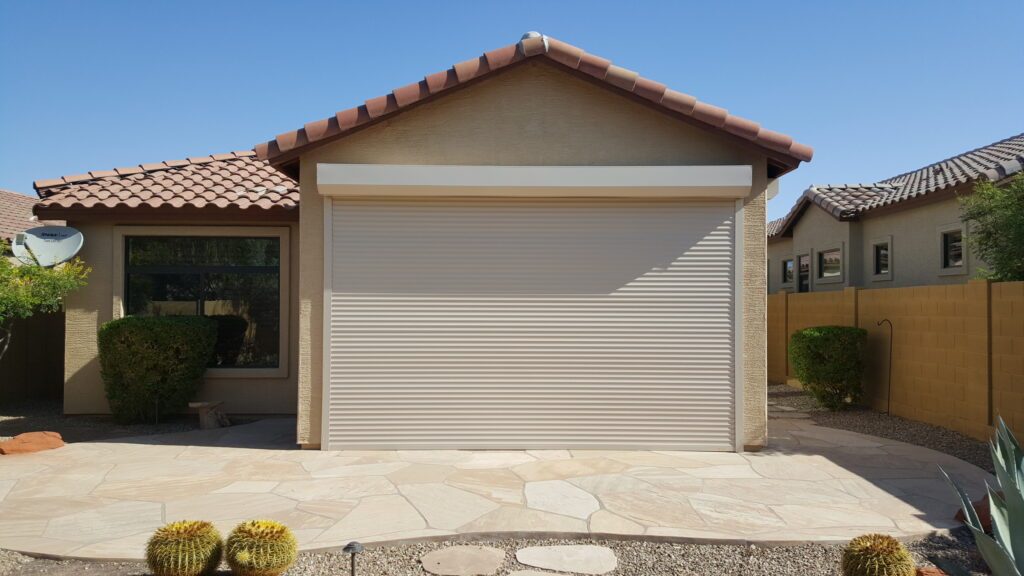
The Four Biggest Threats to Your Home During Monsoon
1. Wind-Driven Debris
Monsoon storms in the Phoenix area regularly produce sudden wind gusts that turn loose objects into projectiles. Patio furniture, gravel, broken branches, and construction materials from nearby sites can all become airborne in minutes. Standard single-pane windows and sliding glass doors are vulnerable to impact from fast-moving debris, especially if the storm arrives at night when there is no time to prepare.
2. Haboob Dust Infiltration
Haboobs are the wall-like dust storms that form ahead of monsoon thunderstorms and are a defining feature of Arizona summers. They move fast, often at 30 mph or more, and force fine desert dust into every gap in your home, including window frames, door seals, and any opening that is not fully covered. The dust gets into electronics, HVAC filters, and furniture. Clogged HVAC filters from haboobs can cut airflow by 30%, and the cleanup cost for a significant dust infiltration can run into the hundreds of dollars.
3. Driving Rain and Water Intrusion
Once the dust passes, rain arrives. Arizona monsoon storms can drop intense rainfall in very short windows. If windows are cracked, older seals have dried out in the summer heat, or sliding doors are not fully latched, water intrusion is a real risk. Water damage to flooring, walls, and furniture from a single monsoon event can far exceed the cost of preventive protection.
4. Power Outages and Security Vulnerabilities
Monsoon storms frequently knock out power across the Phoenix metro. Extended outages mean garage doors may not open, alarm systems may go offline, and motion-activated exterior lights go dark. Homes with open or unsecured windows during a power outage face elevated security risks in addition to weather exposure.
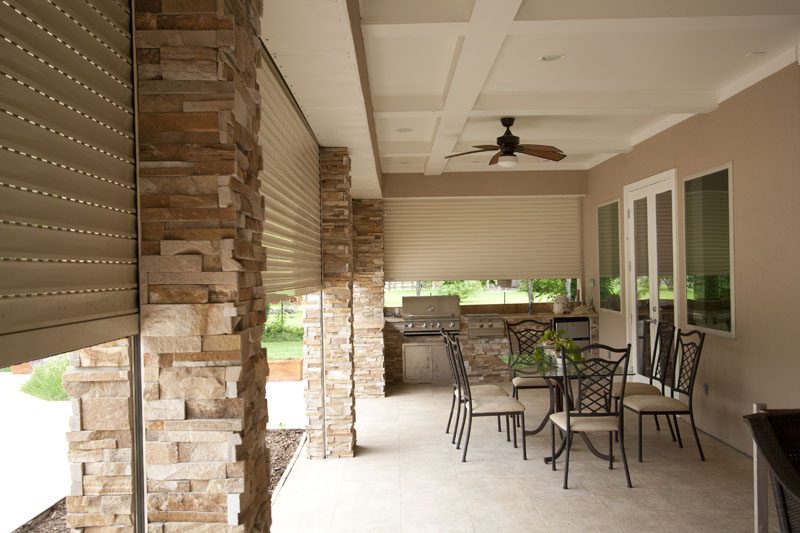
How Rolling Shutters Protect Against Each Threat
Rolling shutters address all four of these risks in a way that no single alternative product can match.
Against debris and impact: Rolling shutters create a continuous, solid aluminum barrier over windows and doors. The interlocking lath design holds firm under impact from wind-driven debris and cannot be pushed open or compromised the way standard window treatments can.
Against haboob dust: When a rolling shutter is fully closed, it seals the window opening from top to bottom using side guide rails and a bottom locking bar. This drastically reduces the amount of fine dust that can infiltrate your home during a haboob compared to an uncovered window or even a window with a standard shade or screen.
Against rain and water intrusion: The closed shutter face acts as a first barrier that deflects driving rain before it ever reaches your window frame. This is especially valuable for windows with older seals or frames that have experienced Arizona’s heat cycling over many summers.
Against security risks during outages: Rolling shutters with manual override or battery backup allow you to secure your windows even when the power is out. A locked shutter requires significant forced effort to compromise, giving your home a physical security layer that does not depend on electricity or an active alarm signal.
READ: Benefits of Motorized Rolling Shutters Compared to Manual Shutters
Motorized vs. Manual Shutters During Storm Events
Speed matters when a monsoon storm approaches. Arizona’s fast-moving storm cells can go from a distant dust cloud to your front yard in under 20 minutes. That urgency is one of the strongest arguments for motorized rolling shutters.
With a motorized system, you can close all your shutters in seconds using a single remote, a wall switch, or a smartphone app. There is no running from room to room, no physical effort required, and no question of whether every opening is properly secured. For homeowners with multiple windows, large openings, or any mobility considerations, motorized operation is not just a convenience, it is a practical safety advantage during storm events.
Manual shutters remain a solid option for smaller openings or areas that do not need to be closed as frequently. If budget is the primary consideration, a mix of motorized shutters on larger windows and manual shutters on smaller ones is a common approach Roll-A-Shield homeowners use.
READ: How Much Should Roller Shutters Cost?
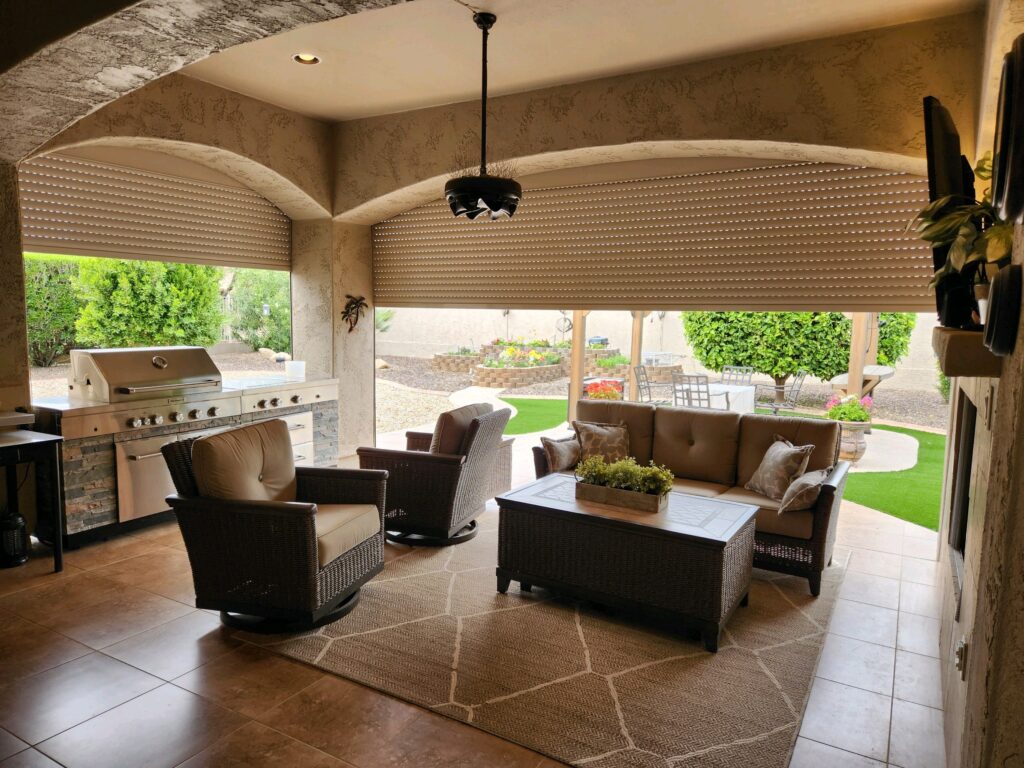
Which Windows and Doors to Prioritize for Monsoon Protection
Not every opening in your home carries the same risk during a monsoon. If you are installing shutters in phases, here is how most Arizona homeowners approach prioritization:
Highest priority: West and south-facing windows and doors. Monsoon storm fronts frequently move in from the west and southwest, making these exposures the most vulnerable to debris impact and driving rain.
Second priority: Sliding glass patio doors and any large window openings. These are the most vulnerable to wind pressure and water intrusion, and they are also the most costly to repair or replace if damaged.
Third priority: Garage door openings and side-facing windows on properties with minimal tree or structure windbreak.
Lower priority: East and north-facing windows on properties with existing structural windbreaks, interior spaces, and small fixed windows with solid frames.
Why Arizona Homeowners Prep Before June
Monsoon season does not give you much warning between storms. The smart window for installation is March through May, before the June 15 official start date. Here is why that timing matters:
Lead times for custom-built rolling shutters typically run three to four weeks from order to installation. If you wait until the first haboob of the season has already rolled through, you are likely scheduling installation well into July or August.
Installation during spring also gives your shutters time to be tested and adjusted before the most intense part of the season arrives in July and August.
Finally, spring installation allows homeowners to address any questions about motor operation, smart home integration, or backup power before they need those features in a fast-moving storm situation.
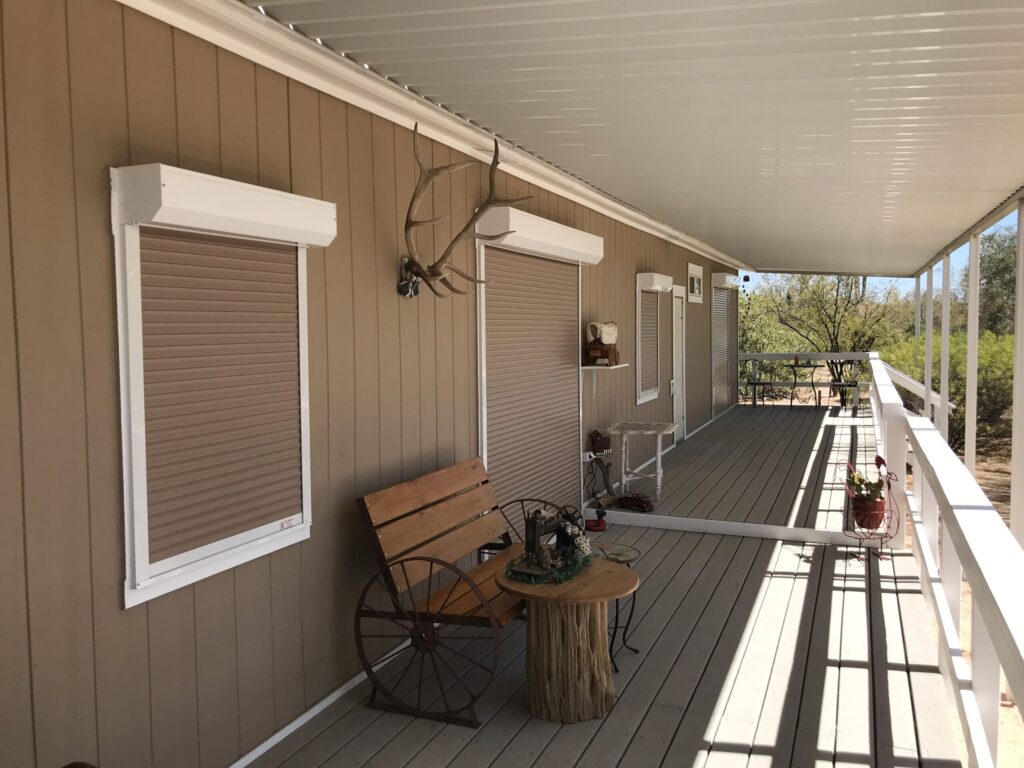
Roll-A-Shield: Built for Arizona Weather
Roll-A-Shield has been manufacturing and installing rolling shutters in Phoenix, Arizona since 1979. Our shutters are built with durable aluminum construction, secure side rails, and reliable locking systems specifically suited to the expansion, contraction, and UV exposure that Arizona’s climate demands year-round. We custom-build every shutter to the exact measurements of your windows and doors, and we offer multiple control and access options including remotes, wall switches, key fobs, keypads, and smartphone app control.
As a Phoenix-based company, our team understands what Arizona’s monsoon season actually looks like from the ground level, and we bring that experience to every installation we do across Scottsdale, Chandler, Mesa, Gilbert, Tempe, and the greater Phoenix metro area.

Common Questions About Rolling Shutters and Monsoon Season
Q: When does Arizona monsoon season start?
Arizona monsoon season officially begins June 15 and runs through September 30, as defined by the National Weather Service. July and August are typically the most intense months for storm activity in the Phoenix area.
Q: Can rolling shutters handle high winds from a monsoon?
Yes. Roll-A-Shield’s aluminum rolling shutters are designed to withstand the impact forces and wind pressure that Arizona monsoon storms produce, including debris impact from haboobs. The side rail and locking bar system keeps the shutter secured even under significant lateral pressure.
Q: Do rolling shutters keep dust out during a haboob?
Rolling shutters substantially reduce dust infiltration by sealing the window opening from the outside before dust reaches your window frame or interior. They do not create an airtight seal, but they significantly limit the amount of fine desert dust that enters your home compared to an uncovered window.
Q: What happens if the power goes out during a monsoon?
Motorized rolling shutters from Roll-A-Shield can be operated manually as a backup when power is unavailable. We also offer optional battery backup solutions that allow motorized operation even during extended outages.
Q: Should I close my rolling shutters before or during a monsoon storm?
Before, whenever possible. Arizona monsoon storms move quickly, and closing your shutters in advance is safer and easier than trying to do so once winds pick up. With motorized shutters, this can be done in seconds from anywhere in your home or via the app.
Q: Are rolling shutters worth it just for monsoon protection?
Most Arizona homeowners install rolling shutters for multiple reasons: security, energy efficiency, privacy, and noise reduction in addition to storm protection. Monsoon prep is one of the strongest single-season arguments for installation, but the benefits run year-round. For more on overall value, see our full breakdown in Are Rolling Shutters Worth It?
Q: How far in advance should I install rolling shutters before monsoon season?
We recommend scheduling your installation by April or May at the latest. Custom rolling shutters typically have a three to four week lead time, and spring installation ensures your shutters are fully tested and ready before the June 15 start of monsoon season.
Q: What areas does Roll-A-Shield serve for monsoon prep installations?
Roll-A-Shield serves the greater Phoenix metro area, including Scottsdale, Chandler, Mesa, Gilbert, Tempe, Glendale, and Peoria, as well as homeowners statewide who want direct-from-manufacturer shutters shipped nationwide.
Read our Google reviews here.
Conclusion
Arizona’s monsoon season is one of the most demanding weather periods any home in the United States has to endure. Between haboobs, 70 mph wind gusts, driving rain, and the security risks that come with power outages, the combination of threats is real and it arrives on a reliable annual schedule. Rolling shutters give you a physical barrier that addresses all of those threats at once, and they work 365 days a year long after monsoon season ends.
If you have been thinking about rolling shutters for your Phoenix-area home, spring is the time to act. Contact us at (480) 921-0200 or visit www.rollashield.com to explore a custom rolling shutter solution for your home or business.