
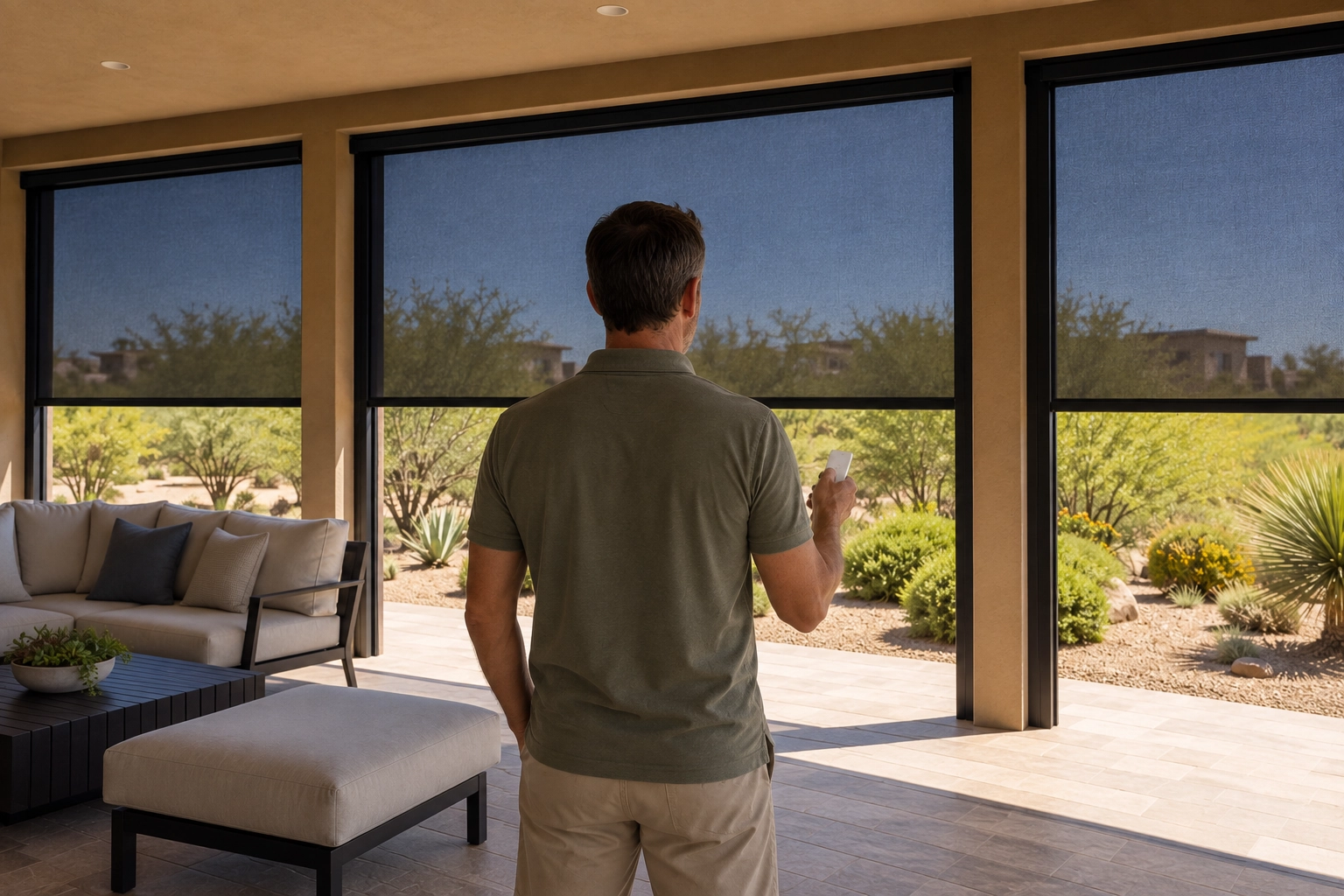
Motorized Patio Screens · Metro Phoenix
Motorized and manual rolling screens in Metro Phoenix
Rolling screens close in patios, outdoor rooms, windows, sliding glass doors, and commercial glass, then roll away when you want the opening back. A solar-powered motor runs them, so there is no wiring to bring to the opening.
One local team measures, configures, and installs every screen from our Tempe facility. We help you decide where a motor earns its place and where a manual screen is the smarter call.

How They Run
A motor or a crank
The screen lives in a slim housing above the opening and runs in side tracks. A tube motor inside the roller does the lifting, so it moves at the touch of a button.
The same screen comes in a manual version for smaller openings and simpler jobs. The choice is about the opening in front of you, not about the product. See every rolling screen type across the Valley →
For Homes
Motorized or manual at home
At home, one screen system covers every opening that needs it. Wide, high, and everyday openings lean motorized; small, simple ones are fine on a manual crank.

Covered patios
Wide, everyday openings that reward a motor and a button.
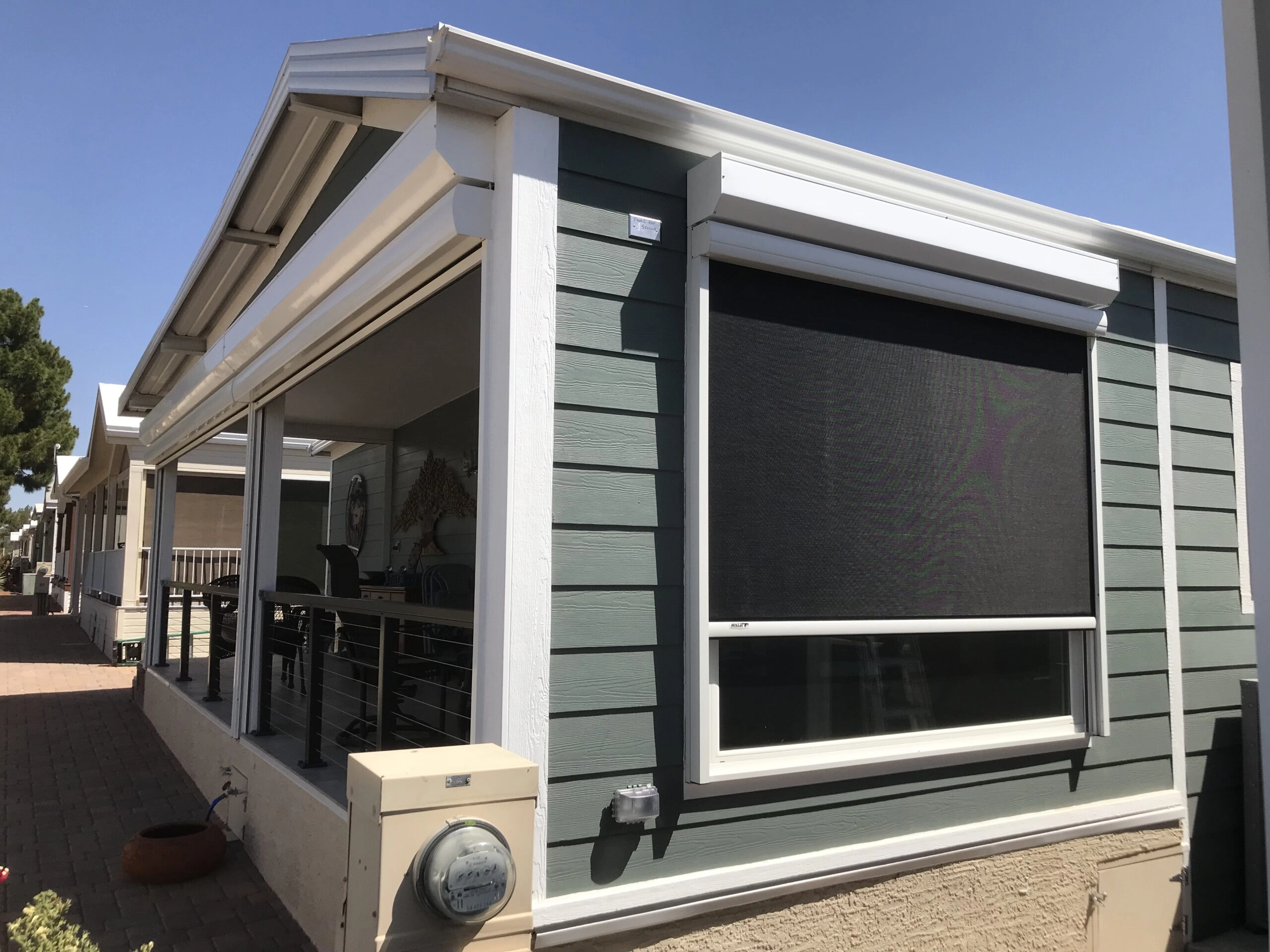
Windows and doors
Sliding glass doors and west-facing windows, motor or manual crank.

Pool decks
Shaded lounges off the back of the house.

Detached structures
Gazebos, pergolas, and ramadas set away from the house.
For Business
Motorized or manual for business
A business runs its openings on a rhythm, so most go motorized: staff drop a patio on a wall switch, or a schedule lifts the glass on its own. A manual screen still fits a small, occasional opening.

Restaurants and bars
Patios staff open and close on one wall switch.

Hotels and resorts
Outdoor seating and shaded lounges, set on a schedule.

Retail and storefronts
Frontage that comes down together on one control.
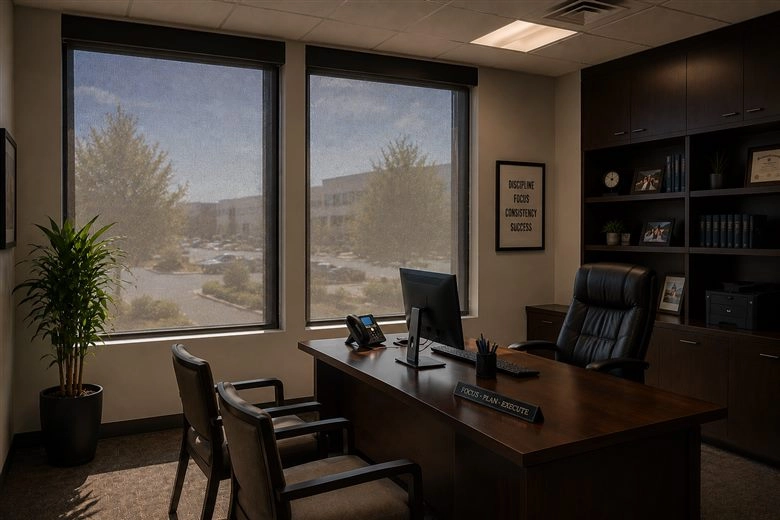
Offices
Courtyards and breezeways between buildings.
Choosing
Motorized or manual patio screens?
There is no default here. Some openings are transformed by a motor; others are perfectly fine on a manual crank. Here is how the two compare, point by point.
| Consideration | Motorized | Manual |
|---|---|---|
| How you run it | A button, a remote, a wall switch, or your phone | A gear-driven hand crank |
| Wide or heavy screens | The motor does the lifting | Hard work by hand |
| High, out-of-reach openings | No reaching needed | A crank you cannot reach is no use |
| Everyday use | Effortless, every day | Fine for an opening you touch now and then |
| Several screens at once | Group them on one control | One at a time |
| Schedules and sensors | Yes, hands off | No, it moves when you move it |
| Power at the opening | A solar or hardwired motor | None needed |
| Cost per opening | Higher | Lower |
Your Controls
Ways to run your motorized screens
These are the controls you hold or touch yourself, for the moments you want to move a screen right now.

Handheld remote
One button raises or lowers a screen from wherever you are standing.
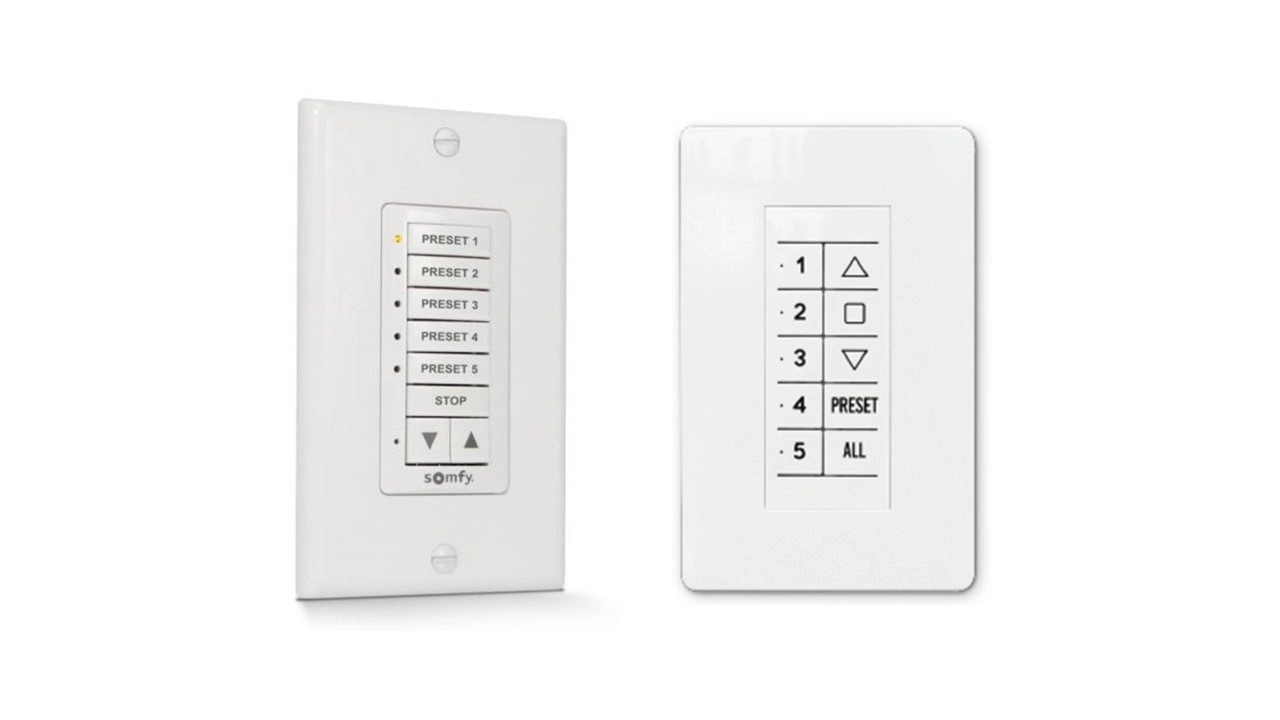
Wall switch
A fixed switch by the door, so anyone in the home or business can use it.
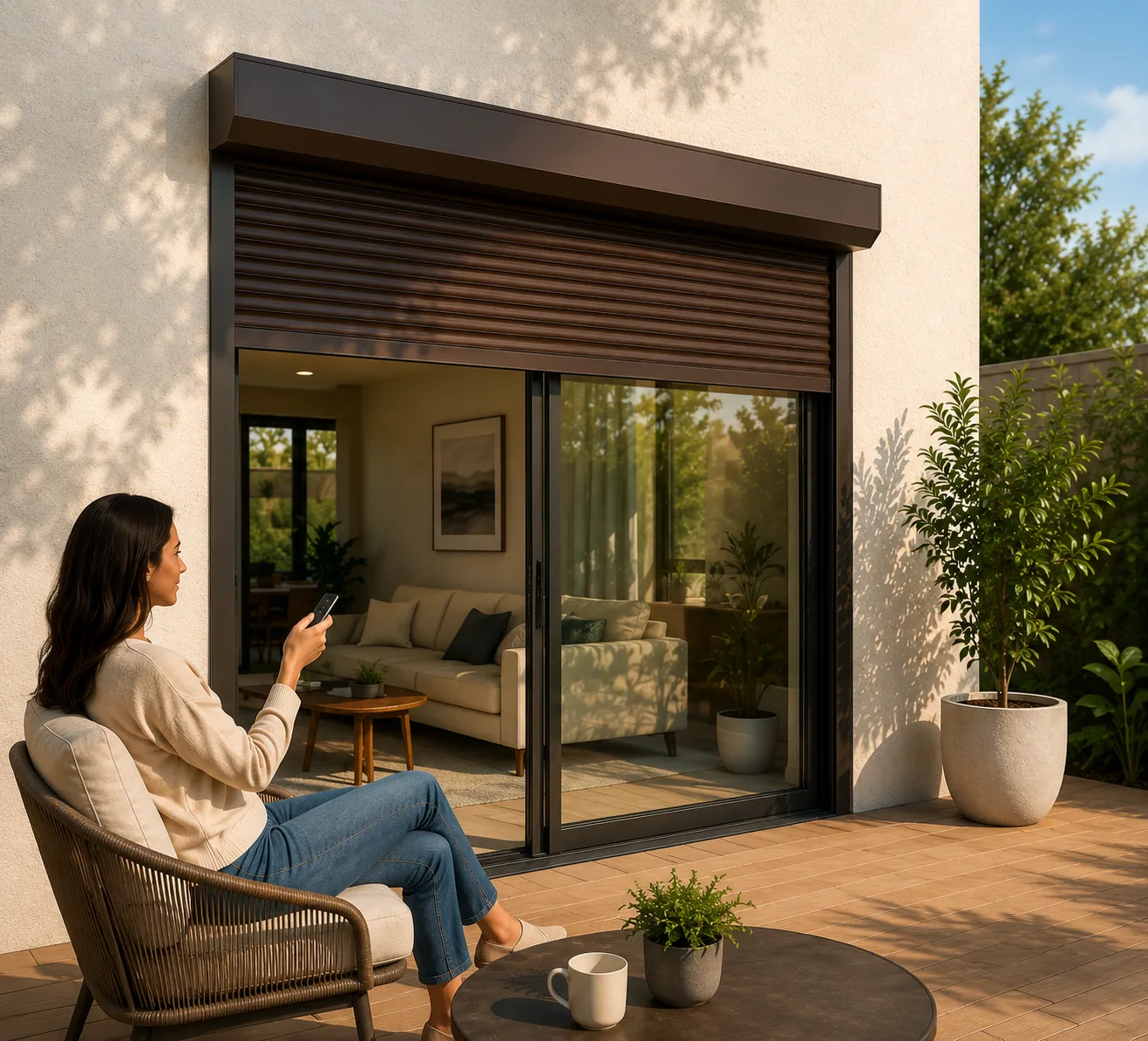
One control, many screens
Group several screens on one channel and bring a whole side down together.

Phone or app control
Add a small hub and run your screens from your phone, at home or away.
Motorized Power Options
No wiring at the opening
Going motorized means choosing how the motor is powered. A solar motor makes its own power, so the screen can go where running electricity would not be worth it. A hardwired motor is there when you prefer it.

Power from the sun
A solar panel charges the battery that runs the motor, so each screen carries its own power supply and pulls nothing from the house.

No trenching, no new circuit
No trenching across a patio, no new circuit run to a detached structure, and no opening up finished walls on a home that already stands.

Where solar fits best
Covered patios, freestanding ramadas, second-story openings, and commercial frontage, where running power to the opening would be the expensive part of the job.
Hands Off
Screens that run themselves
The other half of a motor is what happens when no one touches it. A motorized screen can move on its own, on a plan you set once.

On a schedule
Set them to drop in the afternoon and lift in the evening, every day.

Driven by a sun sensor
A sun sensor can lower the screens as the light climbs, with no one deciding to.

Built-in obstacle detection
If something is in the way as the screen comes down, the motor senses it and stops on its own.
Valley Weather
Motorized for monsoon season
Monsoon is the season a screen earns its keep. Wind and dust arrive fast in a Valley storm, so how a screen handles them matters.

Zip tracks hold it taut
Zip side tracks lock the fabric into the guides, so a wide screen stays flat instead of billowing when the wind picks up.

Down against the dust
Lowered, the mesh keeps blowing dust and grit off the patio and your furniture; a rinse with the hose afterward is all it needs.

Bring it up in a real blow
A motor rolls the screen up in seconds, so raise it when the wind builds. The safest place for the mesh in a strong gust is up in its housing, and wind damage is not covered under the warranty.
Rolling Screens Promo
Installed in 4 weeks, or $500 back
Motorized or manual, the install should not drag on. So we put a deadline on it, and $500 behind the deadline.

4-Week Install Guarantee
Your install date in writing, before we leave.
Plus, choose your FREE upgrade:

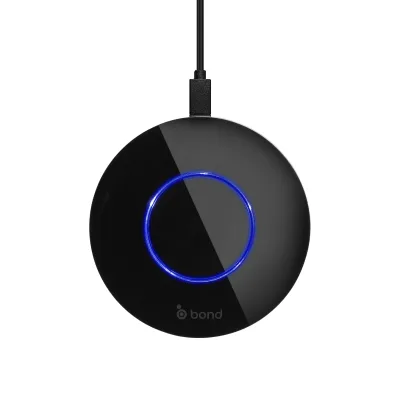 Option 2
FREE Bond Bridge
A $200 value. Adds phone, app, and voice control to your motorized screens.
Available on eligible in-stock motorized screens installed within the window.
How It Works
Simple process. Custom results.
Request a Quote
Tell us the openings you want covered and how you use them, and we book a free on-site visit with no obligation.
On-Site Consultation
A specialist checks the opening, the mounting height, and how you use that space, then recommends motorized or manual and the right control setup.
Custom Configured
Every screen is built to its opening, with the motor or manual gear and the controls chosen for how you will actually run it.
Professional Installation
Our own Metro Phoenix crew installs each screen, tests the operation, and walks you through the controls before we leave.
Financing available
Ask about current financing options for your home during your free estimate and spread the cost of your rolling screen project over time.
Proudly Serving
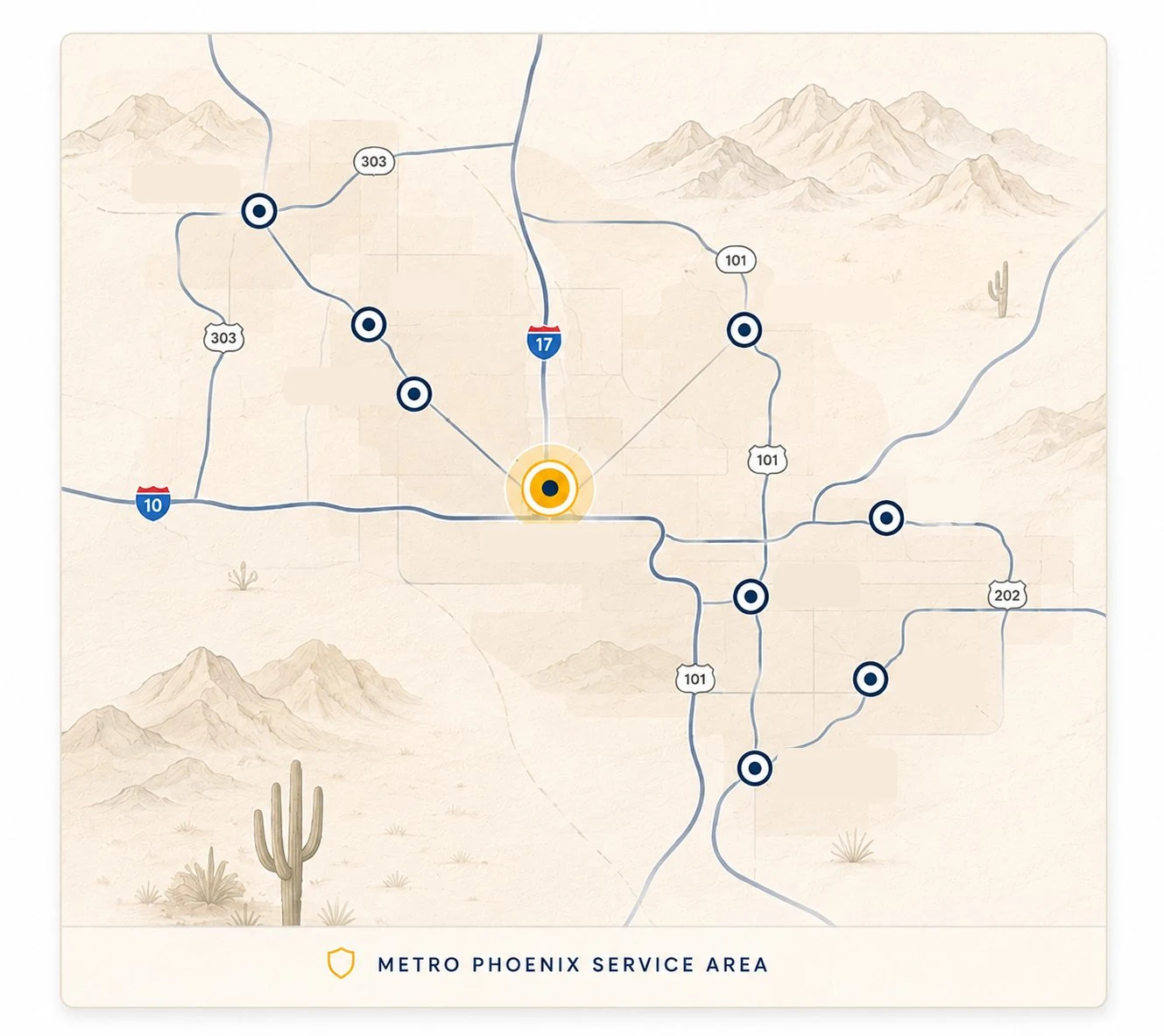
Metro Phoenix
Control needs follow the property, not the zip code. A single covered patio you close on your way out is a different job from a whole rear elevation you would rather run on one channel, which is different again from a commercial frontage that should open and close on a schedule with no one thinking about it. We walk each property and set the controls to how that space is actually used, from Phoenix out to Surprise and everywhere between.
What Our Customers Say
Trusted by your neighbors across Metro Phoenix
“I love, love my Roll-A-Shield. We have 2 windows that got full sun in the AM and PM and our windows were so hot. Now that we can close them there is no heat on them.”
Donna V.“Excellent job from start to finish. The quoting process was an easy no-pressure process. When the installer came to make official measurements, there was a concern with one preliminary measurement that was addressed and resolved through good communication.”
Monroe T.“Total game changer. The install was clean and professional, and the product works exactly as it should, smooth, sturdy, and easy to operate.”
Kaleb S.★★★★★ 4.9 average across 211 Google reviews. Read them on Google →

Ready to put it on a button?
Schedule a FREE on-site estimate with a local rolling screen specialist from Roll-A-Shield.
Keep Exploring
More on motorized screens
This page is about how a screen runs. Follow the links for the wider product picture, the numbers, and the other jobs a screen does.
Metro Phoenix Rolling Screens
Every screen type and category across the Valley, in one guide.
See the pillar guide →What Rolling Screens Cost in Phoenix
What moves the price of a screen project before your estimate.
See pricing →Motorized Retractable Patio Screens
The nationwide product page, with options and the gallery.
See the product →Sun and Shade Screens
Screens aimed at heat, glare, and the afternoon sun.
See the sun and shade page →Patio and Outdoor Living Enclosures
Turning a patio into a room you use more of the year.
See the use case →Common Questions
Motorized patio screen questions, answered.
Straight answers on motorized vs manual patio screens for Phoenix and Arizona homes and businesses: how they work, what they cost, power and solar, wind, and upkeep.
01What are motorized rolling screens?
Motorized rolling screens are retractable mesh screens that roll down over a patio, porch, window, or storefront opening from a slim housing and run on a motor, so a button raises and lowers them. People also call them automatic, electric, or powered screens. The motor sits inside the roller tube, the screen runs in side tracks that hold it taut, and it rolls fully away into the housing when you want the opening clear.
02What are manual rolling screens?
Manual rolling screens are the same retractable mesh screens worked by hand instead of a motor, usually with a gear-driven hand crank. There is no power, no wiring, and nothing to charge, which keeps the cost down and suits smaller or simpler openings. You turn the crank to lower the screen and again to roll it back up into the housing.
03Motorized vs manual patio screens: which should I choose?
It depends on the opening, not a rule. A wide or high screen, one you use daily, a run of several screens, or anything that should move on a schedule or while you are away points to motorized. A small opening you reach easily and use now and then is often better and cheaper as a manual patio screen. We walk each opening with you and say plainly where a motor earns its place and where manual is the smarter call.
04How do motorized screens work?
A tubular motor inside the roller winds the mesh up or down, and the side tracks keep it flat and taut. One press on a remote, a wall switch, or your phone runs it, and several screens can be grouped to move together. The motors we install include obstacle detection, so the screen stops if something is in its path. When it is up, it sits hidden in the housing.
05How do manual retractable screens work?
A manual retractable screen uses a gear and a removable hand crank. You fit the crank, turn it to lower the screen down its side tracks, and turn the other way to roll it back into the housing. It is simple and needs no power. Because there is no motor, there is nothing to schedule or automate; it moves when you move it.
06Are motorized screens worth it?
For the right opening, yes. A motor earns its keep on wide spans that are heavy by hand, on high openings you cannot reach, on runs of several screens, and anywhere you want a schedule or a sensor to do the work. For a single small opening you use occasionally, a manual screen does the same job for less. The honest test is how often, and how easily, you will actually move that opening.
07Do motorized patio screens come with a remote control?
Yes. A handheld remote is the standard control on an electric patio screen, and one press raises or lowers it. You can add a wall switch by the door, group several screens onto one remote channel so a whole side moves together, or add a small hub to run them from your phone. Choose whichever mix fits how you use the space.
08Can I put motorized screens on a patio, porch, or pergola?
Yes. Motorized screens for a patio, porch, or pergola all mount to the structure already around the opening, so most go on with no rebuild. A pergola or a detached porch far from power is exactly where the solar option helps, since it needs no wiring run. We check the mounting surface and the clearance on site and size the screen to the opening.
09What are the power requirements for motorized screens?
That depends on the motor. A solar motor has no electrical requirement at all: it powers itself from its own panel and battery, so there is nothing to wire. A hardwired electric motor needs a power source near the opening and a wiring run, which is where an electrician comes in. We tell you at the estimate which fits your opening and what, if anything, it needs.
10How do solar powered motorized screens work?
The solar option is a self-contained package: a panel, a battery, and the motor, wired together and mounted where the panel gets good sun. The panel keeps the battery charged and the battery runs the motor, so there is no connection to the house and no electrician. It arrives charged, and because it is off the grid it also keeps working when the power is out. It even recharges in indirect light.
11Do motorized screens work during a power outage?
A solar or battery motor does, because it runs off its own power rather than the house, so an outage does not stop it. A hardwired motor will not run during an outage on its own. If keeping a hardwired opening working through an outage matters to you, a crank manual override can be added to that motor; tell us at the estimate and we will spec it.
12Is there a manual override for motorized screens?
On a hardwired electric motor, yes: a crank manual override lets you work the screen by hand if the power is out, which is worth having on an opening that has to function during an outage. It is not offered on solar or battery motors, and those do not need it because they already run off the grid. Ask about the override at the estimate so we set the opening up the way you want.
13How much do motorized patio screens cost in Phoenix?
There is no list price, because every screen is custom-fit to the opening it covers. What moves the number is the size of the opening, whether it is motorized or manual, the controls you choose, and the mesh. The only figure worth anything is the one you get after someone measures, and that comes free and in writing with the on-site estimate. For a fuller breakdown, see what rolling screens cost in Phoenix.
14How much do manual patio screens cost compared with motorized?
A manual patio screen usually costs less than the same screen motorized, because it skips the motor and the controls. How much less depends on the opening and how many screens you are doing. On a big or high opening the motor can be worth the difference; on a small, easy one the manual saves you money for the same screen. Your written estimate prices both, so you can compare on your own openings.
15How do you maintain a motorized screen?
Very little. Rinse the mesh with a hose now and then, more often after a dust-heavy monsoon blow, and let it dry before rolling it back up. Keep the side tracks clear of grit so the screen runs smoothly. The motor itself needs no routine service. Skip pressure washers and harsh cleaners, which can damage the mesh.
16What is the lifespan of a motorized screen?
We do not publish a single lifespan figure, because it depends on the opening, the exposure, and how often the screen runs. What we can point to is the manufacturer warranty: 10 years on the fabric against fading, 5 years on the motor, and 5 years on the extrusions and parts. Kept clean and retracted in high wind, a screen lasts well in the Arizona sun.
17Can a motorized screen be repaired, and can the motor be replaced?
Yes. The motor is a tubular unit that can be swapped out if it ever fails, and the mesh, tracks, and parts can be serviced or replaced without redoing the whole screen. Our own Metro Phoenix crews handle repairs on what we install, backed by local support. The motor is covered for 5 years and the extrusions and parts for 5 under the manufacturer warranty.
18How do motorized screens handle wind?
The mesh runs in zip side tracks that lock it into the guides, so it stays taut instead of billowing on a wide span. In a real monsoon gust the safest place for any screen is rolled up in its housing, and a motor brings it up in seconds. Our screens have no automatic wind sensor, so raise the screen when the wind builds. Wind damage is not covered under the warranty.
19Are motorized screens a good choice for Arizona heat and monsoons?
They suit the Valley well. A solar motor uses the same Arizona sun that drives the demand, and a motor lets you drop or raise a screen in seconds when a monsoon storm rolls in. The mesh sits outside the glass, and zip side tracks hold it taut against the dust and the gusts. Bring screens up in a serious blow, since wind damage is not covered under warranty.
20Do you install motorized and retractable patio screens in Phoenix, AZ?
Yes. We sell and install motorized and retractable patio screens across the Phoenix metro, with our own crews rather than a subcontractor, in Phoenix, Scottsdale, Tempe, Mesa, Chandler, Gilbert, Glendale, Peoria, and Surprise. Rolling screens are a Phoenix-metro service for us. Roll-A-Shield has worked from the Valley since 1979, licensed, bonded, and insured under ROC 342265.
Still have questions?
Call (480) 376-1629 and talk it through with a local specialist, or book the free on-site estimate and we will walk your openings with you.
Request a Free Quote
Get an exact price today.
Our team walks your openings, tells you which ones are worth motorizing and which are fine manual, sets up the controls the way you will actually use them, and gives you an exact price.
GET A FREE QUOTE